


11 Ways To Promote Better Cooperation Between Twins
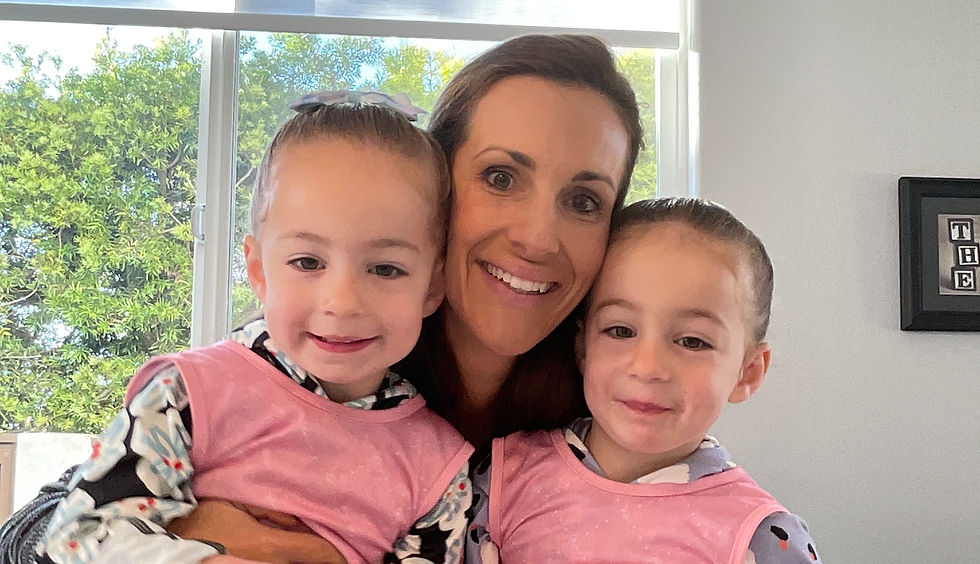
Raising twins comes with unique joys and challenges. Although the bond between twins can be powerful, it can also lead to competition, conflict, and power struggles that test even the most patient mothers.
If you've ever wished your twins would work together instead of against each other, you're not alone. Here are 11 ways to promote better cooperation between twins so you can have a more harmonious household while strengthening their relationship.
Celebrate Their Individual Strengths
People often compare twins, which can breed resentment and competition. Take time to recognize and praise each child's unique talents and abilities. If one twin excels at art while the other loves math, acknowledge these differences openly.
When children feel valued for who they are individually, they're less likely to view their sibling as a rival and more likely to appreciate what each brings to the table. This foundation of mutual respect makes cooperation feel natural rather than forced.
Establish Clear Expectations for Your Children
Children thrive when they understand what's expected of them. Sit down with your twins and explain that their cooperation isn't optional—it's a family value.
When expectations are clear from the start, twins know that cooperation is part of their family culture. They will understand that it’s not just something you request when it's convenient for you.
Create Opportunities for Shared Activities
One of the most effective ways to encourage cooperation is through activities that require teamwork. Building a fort together, completing a puzzle, or cooking a simple recipe forces them to communicate, negotiate, and work toward a common goal.
You can also join them on endeavors that require collaboration. For example, there are plenty of community-minded activities you can enjoy with your kids. These shared experiences create positive associations with cooperation and help twins see their sibling as a teammate rather than a competitor. Over time, this collaborative mindset will extend beyond structured activities into everyday interactions.
Teach Conflict Resolution Skills
Another way to promote better cooperation between twins is to teach them conflict resolution skills. Disagreements are inevitable, but how they handle those conflicts makes all the difference. Rather than immediately stepping in to referee, give your twins tools to resolve issues independently.
Teach them to use "I feel" statements, take turns explaining their perspective, and brainstorm solutions together. Role-play common scenarios so they can practice these skills in a low-stakes environment. When twins learn to navigate conflicts constructively, they develop cooperation skills that will serve them throughout their lives.
Create Separate Spaces for Each One
Providing twins with their own personal spaces is essential to help them develop their individual identities. This doesn’t necessarily mean having separate bedrooms, although that can be helpful if possible.
Even in shared spaces, you can designate specific areas or belongings for each child. For example, separate shelves, desks, or storage bins can give each twin a sense of ownership and independence.
By creating these boundaries, you encourage them to respect each other’s space as they explore their own preferences and interests. This practice fosters individuality and reduces the likelihood of conflict over shared items or territory.
Assign Joint Responsibilities
Giving twins shared tasks shows them that they're accountable to each other, not just to you. Assign chores or responsibilities that require both children to participate. For example, if they enjoy vehicular play, make your twins responsible for some of the tasks involved with maintaining their ride-on motorcycle.
When one twin doesn't pull their weight, the other feels the impact, which naturally encourages accountability. This approach also reinforces that cooperation makes tasks easier and more enjoyable than going it alone.
Model Cooperative Behavior
Children learn more from what they see than what they're told. Demonstrate cooperation in your own relationships by working collaboratively with your partner, friends, or family members. Let your twins see you compromising, sharing responsibilities, and supporting others.
Narrate your actions occasionally: "Dad and I are working together to plan dinner," or "I'm helping Grandma because we cooperate in this family." These examples provide a blueprint for how cooperation looks in practice.
Reward Cooperative Moments
Positive reinforcement goes a long way with children. When you catch your twins cooperating—whether they're sharing toys, helping each other, or solving a problem together—acknowledge it immediately.
Specific praise works best: "I noticed you both took turns with the swing without arguing. That's excellent teamwork!" You can also create a reward system where cooperative behavior earns points toward a shared privilege or treat. This approach reinforces that cooperation benefits everyone involved.
Give Them Individual Attention
Paradoxically, one of the best ways to promote cooperation between twins is to spend one-on-one time with each child. When twins feel secure in their individual relationship with you, they're less likely to compete for your attention through conflict.
Schedule regular solo time with each twin, even if it's just 15 minutes of focused interaction. This investment reduces jealousy and helps each child feel valued, laying the foundation for more generous behavior toward their sibling.
Encourage Empathy and Perspective-Taking
Cooperation flourishes when children can understand and care about their sibling's feelings. Help your twins develop empathy by asking questions like "How do you think your sister felt when that happened?" or "What would help your brother right now?"
Read books together that explore emotions and relationships. When twins can step into each other's shoes, they're more likely to choose cooperation over conflict because they genuinely care about their sibling's well-being.
Be Patient with the Process
Building cooperation between twins doesn't happen overnight. There will be setbacks, arguments, and moments when you wonder if anything is working. Remember that cooperation is a skill that develops over time with practice and guidance.
Celebrate small wins and stay consistent with your expectations. Some days will be harder than others, but with patience and persistence, you'll gradually see your twins learning to work together more naturally. Trust the process and give yourself grace when things don't go perfectly.
Creating Lasting Cooperation
Promoting cooperation between twins requires intentionality, consistency, and a lot of patience. By implementing these strategies, you're not just managing day-to-day conflicts—you're teaching your children skills that will strengthen their relationship for years to come. The effort you invest now in fostering cooperation will pay dividends as your twins grow into adults who genuinely enjoy and support one another.


Comments